

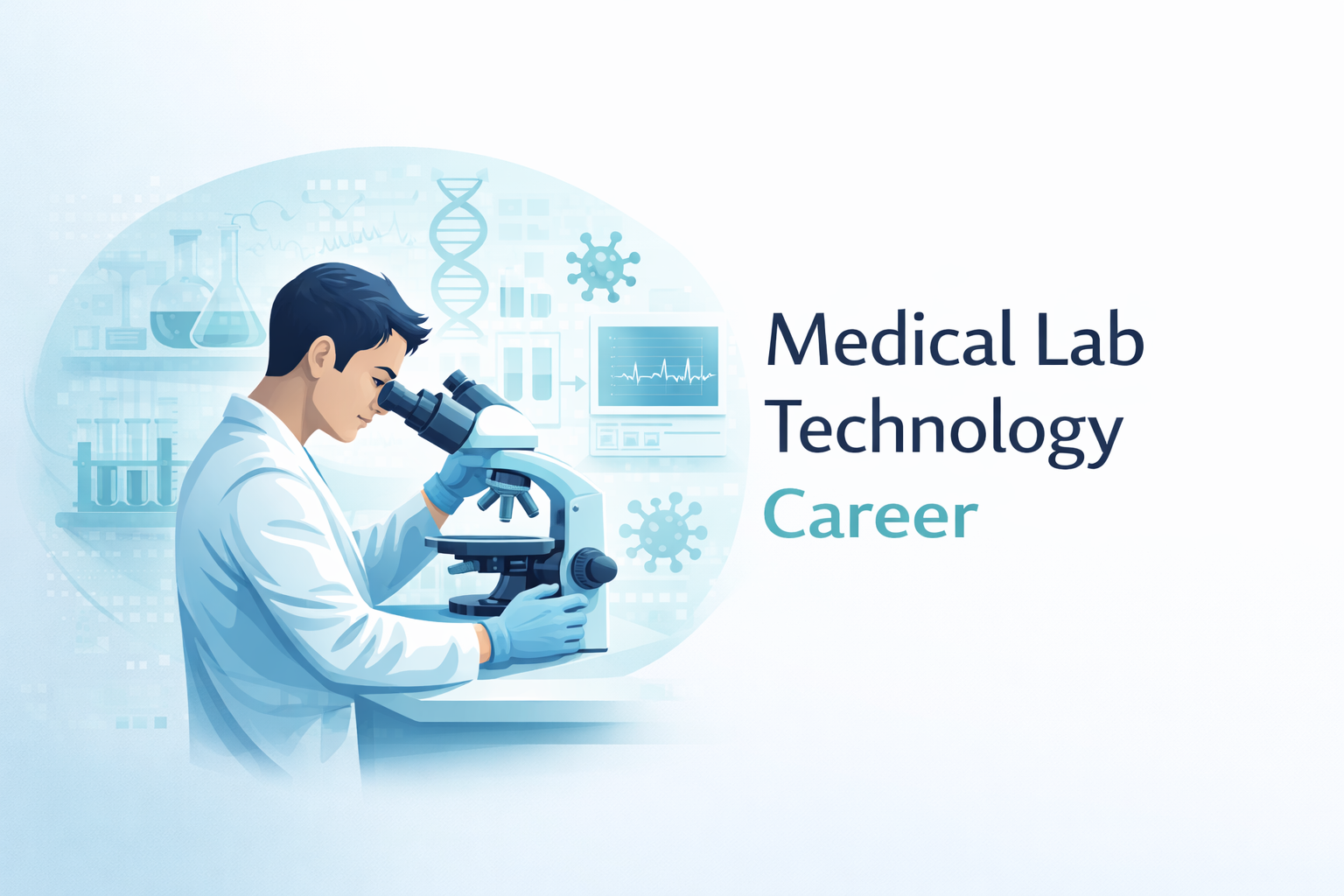

Medical laboratory technology is a vital part of healthcare, often operating behind the scenes. This field involves the analysis of body fluids, tissues, and other substances to aid in the diagnosis, treatment, and prevention of disease. Without the work of medical laboratory technologists, much of modern medicine would not be possible.
The global healthcare industry is expanding, driven by an aging population, rising chronic disease rates, and technological innovation. This expansion directly fuels the demand for skilled medical laboratory professionals. As doctors rely more on data-driven diagnoses, the need for accurate and timely lab results increases. This translates into stable career prospects for those entering the field. Consider the human body as a complex machine; medical laboratory technologists are the mechanics who perform diagnostics to understand what might be malfunctioning.
Factors Contributing to Demand
Several factors contribute to the ongoing demand. Advances in medical science mean more tests are available and routinely ordered. Public health initiatives, like widespread disease screening programs, also require a significant laboratory workforce. Furthermore, the increasing complexity of modern therapeutics often necessitates close monitoring through laboratory tests to ensure efficacy and patient safety.
Becoming a medical laboratory technologist requires specific education and practical training. Most employers seek candidates with a bachelor’s degree in medical laboratory science, clinical laboratory science, or a related life science. This foundational education provides the theoretical knowledge necessary to understand the principles behind laboratory tests.
Academic Preparation
A typical curriculum includes courses in chemistry, biology, microbiology, immunology, hematology, and clinical laboratory techniques. These subjects provide the bedrock upon which practical skills are built. Beyond coursework, some programs include a clinical internship or practicum, offering hands-on experience in a real laboratory setting. This practical component is critical for skill development and allows students to apply their academic knowledge.
Certification and Licensure
Upon completing formal education, many individuals pursue professional certification. Organizations like the American Society for Clinical Pathology (ASCP) Board of Certification offer examinations to certify competence. While not always legally mandated, certification is often preferred or required by employers and enhances career mobility. Some states also require licensure, which involves meeting specific educational and examination criteria. These certifications and licenses act as quality assurances for the public and employers.
The daily work of a medical laboratory technologist is diverse and impacts patient care directly. Their primary goal is to provide accurate and reliable test results. This involves a range of activities, from sample collection to result interpretation. Imagine them as scientific detectives, piecing together clues from bodily samples.
Core Duties
Medical laboratory technologists perform a wide array of tests across various laboratory departments. In hematology, they analyze blood cells to detect conditions like anemia or leukemia. In microbiology, they identify bacteria, viruses, and fungi to diagnose infectious diseases. In clinical chemistry, they measure chemical components in blood and other fluids to assess organ function, monitor drug levels, and screen for metabolic disorders. They also perform blood typing and cross-matching in blood banking to ensure safe transfusions.
Quality Control and Equipment Maintenance
Beyond conducting tests, technologists are responsible for quality control. This involves running control samples daily to ensure instruments are functioning correctly and test results are accurate. They also maintain laboratory equipment, calibrate instruments, and troubleshoot issues. This meticulous attention to detail is paramount, as an error at any stage can have serious consequences for patient diagnosis and treatment.
The medical laboratory field is dynamic, continually evolving with technological advancements. These innovations improve efficiency, accuracy, and the range of tests available. The laboratory has transformed from manual procedures to highly automated systems.
Automation and Robotics
Automation plays a significant role in modern laboratories. Robotic systems handle mundane, repetitive tasks, freeing technologists to focus on more complex analyses and critical thinking. Automated analyzers can process many samples quickly and precisely, reducing turnaround times for results. This is like moving from handcrafted goods to factory production, increasing output while maintaining quality.
Molecular Diagnostics and Genetics
Molecular diagnostics is a rapidly expanding area. Techniques like Polymerase Chain Reaction (PCR) allow for the detection of genetic material from viruses, bacteria, and even cancer cells with high sensitivity. Genomic sequencing is becoming more accessible, paving the way for personalized medicine, where treatments are tailored to an individual’s genetic profile. These advancements offer deeper insights into disease mechanisms and treatment responses.
Medical laboratory technologists are central to the diagnostic process. Their work provides the objective data that healthcare providers use to make informed decisions about patient care. Without these unseen contributions, much of clinical medicine would be conjecture rather than evidence-based.
Informing Clinical Decisions
When a patient presents with symptoms, a doctor often orders laboratory tests to confirm or rule out a diagnosis. The comprehensive blood count, urinalysis, and chemical panels performed by technologists offer crucial information. For example, elevated liver enzymes indicate liver damage, while abnormal white blood cell counts can point to infection or certain cancers. These results act as a compass, guiding physicians to the correct diagnostic path.
Monitoring Treatment Efficacy and Disease Progression
Beyond initial diagnosis, laboratory tests monitor treatment effectiveness. For example, a diabetic patient’s glucose levels are regularly checked to adjust insulin dosages. Cancer patients undergo lab tests to track tumor markers and assess the success of chemotherapy. In infectious diseases, technologists perform tests to determine if antibiotic treatment is clearing an infection. Continuous monitoring guarantees patients receive optimal care, allowing for adjustments as their condition changes.
While rewarding, the field of medical laboratory technology faces various challenges, alongside significant opportunities for advancement and impact. Like navigating a complex ocean, there are currents to contend with and new lands to discover.
Workload and Staffing
One challenge is the increasing workload due to higher test volumes and the complexity of modern assays. Staffing shortages can also put pressure on existing technologists, demanding efficiency and resilience. The need for precise and accurate work under time constraints can be demanding.
Professional Development and Specialization
Despite these challenges, opportunities abound. The rapid pace of technological development means continuous learning is essential. Technologists often specialize in areas like molecular diagnostics, cytotechnology, or blood banking. These specializations offer pathways for professional growth and provide expertise in niche areas. Many also pursue advanced degrees, moving into management, education, or research roles within the laboratory setting.
The future of medical laboratory technology promises continued innovation, driven by breakthroughs in science and engineering. Expect to see greater integration of new technologies and a stronger emphasis on data analysis.
Point-of-Care Testing
Point-of-care testing (POCT) is an emerging trend where laboratory tests are performed near the patient, often at the bedside or in a clinic, rather than in a centralized lab. This provides rapid results, allowing for quicker clinical decisions, particularly in emergency settings. While POCT brings convenience, ensuring quality control and proper interpretation remains crucial.
Artificial Intelligence and Data Analytics
Artificial intelligence (AI) and machine learning are beginning to transform how laboratory data is managed and interpreted. AI can assist in identifying patterns in large datasets, flagging anomalous results, and even aiding in image analysis, like classifying cells under a microscope. This move towards intelligent data analysis will enhance diagnostic capabilities and improve efficiency.
The job outlook for medical laboratory technologists is positive, reflecting the growing demand for their skills. Salary can vary based on experience, location, education, and specialization.
Compensation and Growth
Entry-level positions typically offer competitive salaries. With experience, technologists can expect their earnings to increase. Those with advanced degrees or specialized certifications often command higher salaries. The Bureau of Labor Statistics projects continued job growth for medical laboratory technologists and technicians. This sustained demand makes the field a stable and attractive career choice.
Career Advancement
Career paths often include moving into supervisory roles, becoming laboratory managers, or transitioning into specialized areas like research and development, quality assurance, or education. The foundational knowledge gained as a technologist provides a strong base for various roles within the broader healthcare and scientific industries. The skills learned are transferable, opening doors to diverse professional opportunities.
FAQs
What is medical lab technology, and what does a medical lab technologist do?
Medical lab technology involves the analysis of body fluids, tissues, and cells to diagnose and treat diseases. Medical lab technologists perform complex tests using sophisticated equipment to provide accurate and reliable results to healthcare professionals.
What education and training is required for a career in medical lab technology?
A career in medical lab technology typically requires a bachelor’s degree in medical technology or a related field. Additionally, many employers prefer or require certification from organizations such as the American Society for Clinical Pathology (ASCP) or the National Accrediting Agency for Clinical Laboratory Sciences (NAACLS).
What new technologies are being used in medical labs?
In the medical lab field, technology has improved by making testing processes more automated, using molecular diagnostics, and combining data management systems. These advancements have improved efficiency, accuracy, and the ability to handle a higher volume of tests.
What are the specializations and career paths in Medical Lab Technology?
Specializations in medical lab technology include clinical chemistry, hematology, immunology, microbiology, and molecular biology. Career paths can lead to roles in hospitals, clinics, research laboratories, public health agencies, and pharmaceutical companies.
What is the job outlook and salary for Medical Lab Technologists?
The job outlook for medical lab technologists is strong, with a projected growth rate of 11% from 2020 to 2030, faster than the average for all occupations. The median annual wage for medical and clinical laboratory technologists was $54,180 in May 2020, with the highest 10% earning more than $83,700.

Sal Sabeel is a career-focused content writer dedicated to helping students and professionals understand specialised career options. Through simple and well-researched guides, she aims to make career planning easier and more confident for readers