

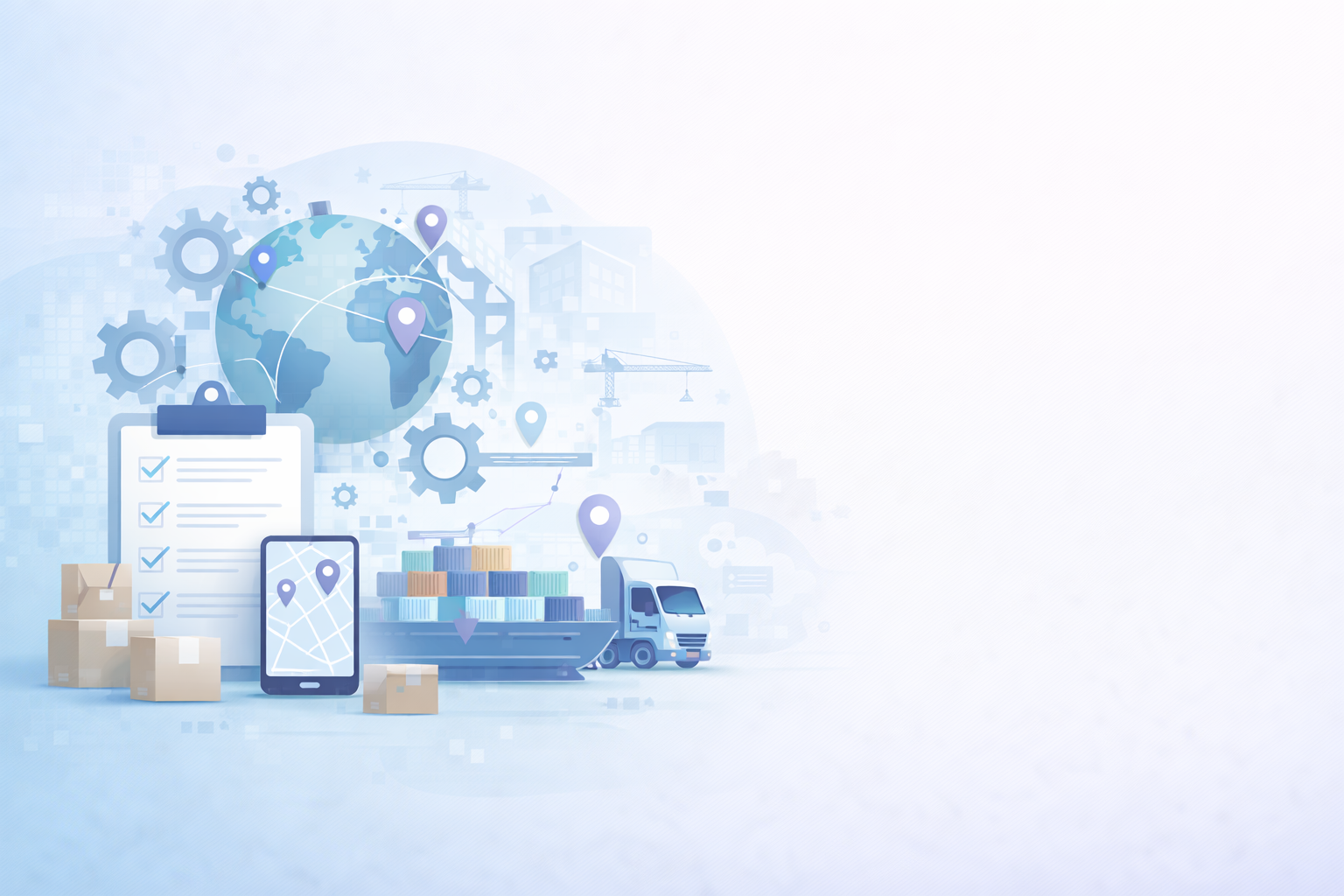

Supply chains, once reliant on manual processes and limited information, have undergone a profound transformation due to technological integration. This shift impacts how goods move from origin to consumption, creating a more interconnected and responsive system. Understanding this evolution is crucial for anyone involved in modern commerce.
Technology’s involvement in supply chain management is not new, but its current scope and impact are unprecedented. From basic inventory software to advanced artificial intelligence, these tools redefine operational paradigms. This article will explore key technological advancements and their influence on the various facets of supply chain operations.
Automation, broadly defined, refers to technology performing tasks with minimal human intervention. In supply chains, this translates to faster, more accurate, and often more cost-effective operations.
Automated Warehousing and Fulfillment
Automation has significantly reshaped warehousing operations. Automated Guided Vehicles (AGVs) and Autonomous Mobile Robots (AMRs) transport goods within facilities, reducing the need for human operators and improving throughput. These robots can move pallets, pick up individual items, and stage orders in warehouses with complicated layouts. This not only speeds up the picking and packing process but also minimizes errors inherent in manual labor, such as mispicks.
Automated storage and retrieval systems (AS/RS) are another facet of warehouse automation. These systems use cranes and shuttles to store and retrieve items from high-density storage racks, maximizing land utilization and accelerating access to inventory. Think of it as a robotic library for your goods, where items arrive at designated workstations for processing rather than humans searching shelves. This precision reduces bottlenecks and improves order fulfillment times, directly benefiting customer satisfaction.
Robotic Process Automation (RPA)
Beyond physical automation in warehouses, Robotic Process Automation (RPA) streamlines administrative supply chain tasks. RPA bots automate repetitive, rule-based digital processes. Examples include processing purchase orders, reconciling invoices, updating inventory records, and handling customer inquiries. These bots can interact with various software systems, mimicking human actions to complete tasks quickly and without error. This frees up human employees to focus on more strategic and analytical work, moving them from being mere data entry clerks to problem solvers or innovators. The effect is akin to delegating all your tedious paperwork to an invisible, indefatigable assistant.
Data is the lifeblood of modern supply chains. The sheer volume and variety of data generated at every stage, from manufacturing to delivery, offer a trove of insights. Big data and analytics are the tools that extract value from this ocean of information.
Demand Forecasting and Predictive Analytics
Accurate demand forecasting is a cornerstone of efficient supply chain planning. Historically, forecasting relied on historical sales data and expert intuition. Big data analytics, however, can process vast quantities of diverse data points—including economic indicators, social media trends, weather patterns, and competitors activities – to generate much more accurate predictions. This allows businesses to anticipate fluctuations in customer demand, rather than merely reacting to them.
Predictive analytics goes further, enabling businesses to foresee potential disruptions. By analyzing historical data on supplier performance, transportation routes, and geopolitical events, companies can identify potential risks before they materialize. This foresight allows for proactive mitigation strategies, such as diversifying suppliers or rerouting shipments, preventing costly delays or stockouts. This serves as a valuable tool for supply chains, providing insights into potential future challenges and opportunities.
Inventory Optimization
Managing inventory requires careful balancing. Too much inventory ties up capital and risks obsolescence; too little results in lost sales and customer dissatisfaction. Big data analytics provides the insights needed for optimal inventory levels. By analyzing sales velocity, lead times, storage costs, and supplier reliability, advanced algorithms can determine ideal reorder points and quantities. This leads to reduced holding costs, minimized waste, and improved product availability. The goal is to maintain just enough inventory, precisely when it is needed, creating a finely tuned supply system instead of a garage filled with spare parts that may never be used.
The Internet of Things (IoT) connects physical objects to the internet, allowing them to collect and exchange data. In supply chains, IoT devices provide real-time visibility into the location, condition, and status of goods.
Real-Time Asset Tracking
IoT sensors allow for precise tracking of goods in transit. GPS trackers provide location data, while other sensors monitor conditions such as temperature, humidity, and shock. This aspect is particularly crucial for perishable goods or sensitive electronics. If a refrigerated container experiences a temperature deviation, an alert is triggered immediately, allowing for intervention before the product is compromised. This level of transparency means that, at any given moment, you can pinpoint your cargo on a global map and understand its precise environmental conditions. It’s like giving every package its own personal assistant that reports back constantly.
Smart Warehouses and Inventory Management
IoT sensors within warehouses offer a granular view of inventory. Smart shelves can detect when an item is running low, automatically triggering reorders. Drones equipped with RFID readers can conduct rapid physical inventory counts, eliminating the need for manual scanning and reducing human error. This constant, automated monitoring provides an accurate, up-to-the-minute inventory picture, eliminating discrepancies and improving stock accuracy. The warehouse becomes a living, breathing entity, constantly aware of its contents.
Artificial Intelligence (AI), particularly machine learning, further refines and automates many aspects of supply chain management, offering predictive capabilities beyond traditional analytics.
Enhanced Demand Forecasting with Machine Learning
However, AI algorithms can identify complex patterns and correlations in vast datasets that human analysts might miss. For demand forecasting, machine learning models can process historical sales data, promotional calendars, external economic indicators, weather forecasts, and even social media sentiment to produce highly accurate predictions. These models continuously learn and adapt as new data becomes available, improving their accuracy over time. This means forecasting is not a static calculation, but a constantly evolving prediction, much like a weather forecast that improves with more real-time data.
AI-Driven Inventory Optimization
AI also elevates inventory management. Beyond standard optimization, AI can dynamically adjust inventory levels based on real-time data from sales, production, and transportation. It can anticipate potential supply disruptions or sudden demand spikes and recommend proactive adjustments, such as expediting orders or reallocating stock. This allows for a more responsive inventory strategy, minimizing both excess stock and stockouts, thereby optimizing capital utilization and customer service. It turns inventory management from a guessing game into a strategic chess match, with AI as your grandmaster.
Transportation is a critical, often costly, component of the supply chain. Modern Transportation Management Systems (TMS) leverage technology to optimize every aspect of freight movement, from planning to execution.
Route Optimization and Load Planning
Traditional route planning can be complex and inefficient. Modern TMS solutions use advanced algorithms to analyze factors like traffic patterns, road conditions, fuel costs, driver availability, and delivery windows to generate optimal routes. This minimizes fuel consumption, reduces transit times, and improves on-time delivery rates. It’s like having a supercomputer design the most efficient roadmap for every truck in your fleet, not just the fastest, but the smartest path.
Load planning is similarly enhanced. TMS can determine the optimal way to consolidate shipments, maximizing trailer space and reducing the number of trips needed. This not only lowers transportation costs but also decreases the environmental footprint of logistics operations. Every cubic foot of trailer space is utilized effectively.
Real-Time Visibility and Tracking
Beyond basic GPS, current TMS platforms integrate with IoT devices and telematics to provide granular, real-time visibility into the location and status of every shipment. Senders, carriers, and recipients can monitor the progress of goods, receive automated alerts for delays, and access estimated arrival times. This transparency fosters trust and allows for proactive communication with customers regarding delivery expectations. It gives everyone involved a clear line of sight, like an air traffic controller overseeing all flights. This level of information reduces “where is my stuff” calls, allowing all parties to manage exceptions rather than chase information.
FAQs
What is the role of technology in revolutionizing supply chain management?
Technology plays a crucial role in revolutionizing supply chain management by enabling real-time tracking, automation of processes, data analytics for optimization, and enhanced communication and collaboration among supply chain partners.
How does automation impact supply chain efficiency?
Automation in supply chain management leads to increased efficiency by reducing manual errors, streamlining processes, improving accuracy in inventory management, and enabling faster order fulfillment and delivery.
How can big data and analytics be leveraged for supply chain optimization?
Big data and analytics can be leveraged for supply chain optimization by providing insights into demand forecasting, identifying trends and patterns, optimizing inventory levels, improving supplier performance, and enhancing overall operational efficiency.
What part does the Internet of Things (IoT) play in making the supply chain more visible?
The Internet of Things (IoT) enables supply chain visibility by connecting physical devices and assets to gather real-time data on their location, condition, and performance, thereby improving transparency, traceability, and decision-making in the supply chain.
How are robotics and drones being implemented in warehouse operations?
Robotics and drones are being implemented in warehouse operations to automate repetitive tasks such as picking, packing, and inventory management, thereby increasing efficiency, reducing labor costs, and improving overall warehouse productivity.

Sal Sabeel is a career-focused content writer dedicated to helping students and professionals understand specialised career options. Through simple and well-researched guides, she aims to make career planning easier and more confident for readers