

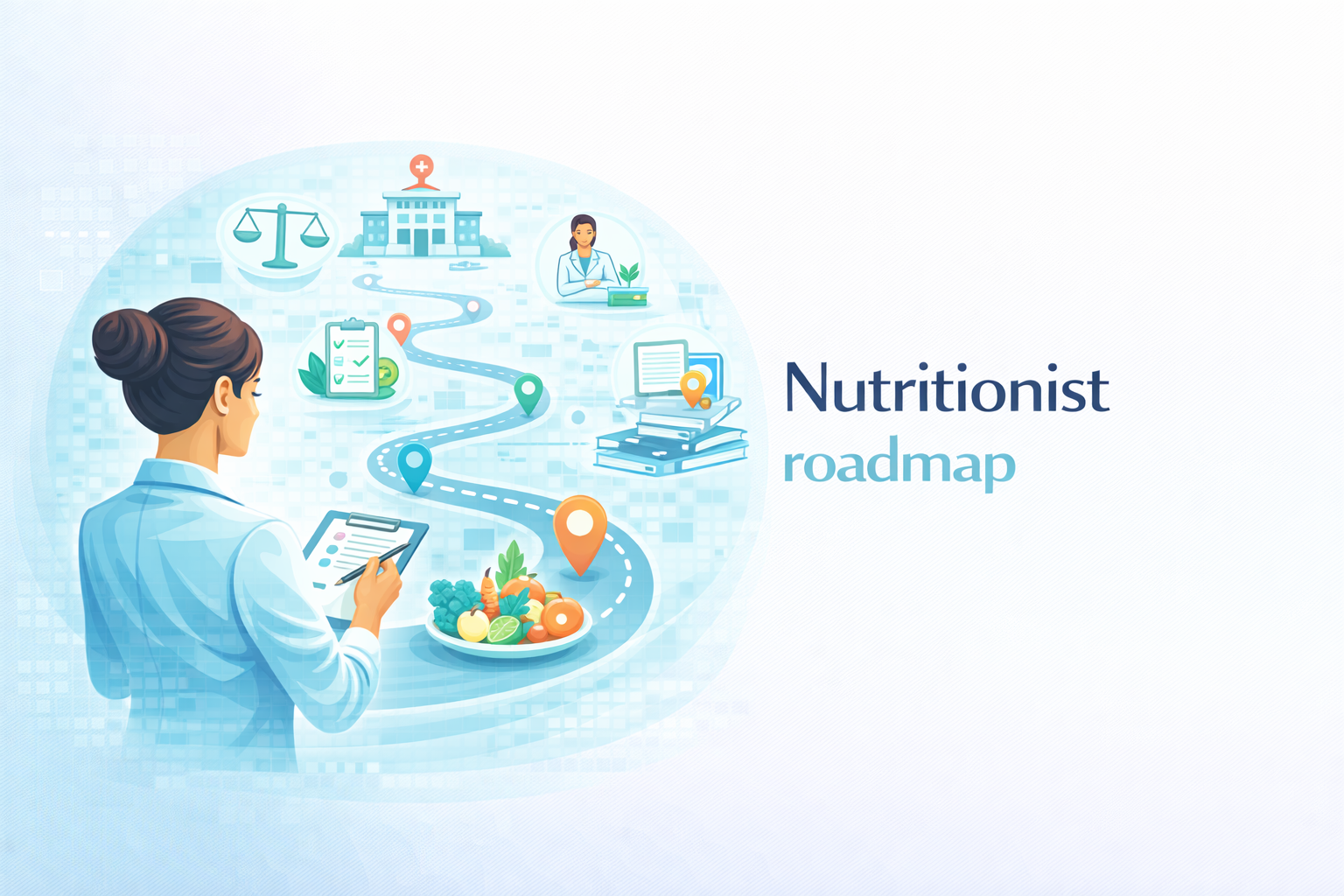

The journey to becoming a professional nutritionist involves structured steps, from foundational knowledge to career advancement. This guide outlines the path, offering an overview of practical considerations for developing a successful career in the field.

A nutritionist is a professional who advises individuals and groups on matters of food and nutrition and their impact on health. This role encompasses a broad spectrum of activities, from assessing dietary needs to developing personalized meal plans and educating clients on healthy eating habits. Unlike a registered dietitian, the term “nutritionist” may not always be legally protected or regulated, depending on the jurisdiction. However, many individuals in this profession adhere to rigorous training and ethical standards.
Key Responsibilities of a Nutritionist
The daily work of a nutritionist can vary significantly based on their setting and specialization. Core responsibilities often include:
- Client Assessment: Gathering information about a client’s medical history, lifestyle, dietary habits, and health goals. This is the initial step in understanding their unique needs.
- Nutritional Counseling: Providing guidance and support to clients to help them make informed food choices and achieve their health objectives. This involves clear communication and behavioral change strategies.
- Meal Planning: Creating customized meal plans tailored to individual dietary requirements, preferences, and health conditions. This requires knowledge of food composition and the impact of nutrients.
- Education and Awareness: Dispensing information about nutrition, food safety, and healthy eating principles to individuals, communities, or groups. This can involve workshops, presentations, or written materials.
- Collaboration with Healthcare Professionals: Working alongside doctors, dietitians, and other health practitioners to ensure integrated care for clients with specific medical needs.
Distinguishing Nutritionists from Dietitians
It is important to understand the difference between a nutritionist and a registered dietitian (RD) or registered dietitian nutritionist (RDN). In many countries, the title “dietitian” is legally protected and requires specific academic qualifications, supervised practice, and passing a national examination. Dietitians are often qualified to diagnose and treat medical conditions through medical nutrition therapy. While many nutritionists possess extensive knowledge and can offer valuable advice, their scope of practice may be legally limited compared to that of a dietitian, particularly in clinical settings. Many nutritionists choose to pursue credentials that align with recognized standards to enhance their credibility and practice safely.
Building a successful career in nutrition begins with a solid educational foundation. The specific requirements can differ based on individual career aspirations and the regulatory landscape of the region in which one intends to practice. However, a strong academic background in a related science is generally beneficial.
Academic Pathways
A bachelor’s degree is often the starting point for aspiring nutritionists. Common undergraduate majors include:
- Nutrition Science: This degree provides a comprehensive understanding of the science of food and its impact on human health. It covers topics such as biochemistry, physiology, metabolism, and public health.
- Dietetics: While often leading to dietitian credentials, a dietetics degree also equips individuals with a strong understanding of nutrition principles applicable to a nutritionist role.
- Public Health: Majors in public health can offer a broader perspective on population health, including nutrition-related issues and community interventions.
- Related Science Fields: Degrees in biology, chemistry, or human physiology can also serve as a foundation, especially if supplemented with specific nutrition coursework.
Specialized Nutrition Education
Beyond a bachelor’s degree, many individuals pursue master’s degrees or specialized diplomas in nutrition. These advanced programs offer a deeper dive into specific areas of nutrition, research methodologies, and advanced clinical applications. Regardless of the degree level, coursework typically includes:
- Human Physiology and Anatomy
- Biochemistry and Metabolism
- Food Science and Technology
- Public Health Nutrition
- Nutritional Epidemiology
- Behavioral Nutrition
- Clinical Nutrition
Practical Experience and Internships
Academic learning is crucial, but practical experience allows aspiring nutritionists to apply their knowledge in real-world settings. Internships, volunteer work, or supervised practice hours under experienced professionals are invaluable. These opportunities provide exposure to client interactions, program development, and the day-to-day realities of working in the field. They are often a prerequisite for certification and licensure.
The landscape of professional certification and licensing for nutritionists can be complex, varying significantly by country and even by state or province within a country. Understanding these processes is essential for establishing credibility and ensuring legal compliance in practice.
The Importance of Professional Credentials
Professional credentials, such as certifications and licenses, serve as indicators of a nutritionist’s education, training, and competency. They help to:
- Establish Credibility: Credentials assure clients and employers that an individual has met certain standards of knowledge and skill.
- Ensure Legal Practice: In many regions, specific licenses or certifications are required to legally practice nutrition or offer services.
- Promote Professional Standards: Certification bodies often uphold ethical guidelines and standards of practice, contributing to the overall integrity of the profession.
- Facilitate Employment: Many employers, particularly in healthcare settings, require specific certifications for nutritionist positions.
Types of Certifications and Licenses
- Registered Dietitian (RD) / Registered Dietitian Nutritionist (RDN): As mentioned, this is a credential requiring specific academic qualifications, supervised practice, and a national examination. It is often a prerequisite for practicing medical nutrition therapy.
- Certified Nutrition Specialist (CNS): The Board for Certification of Nutrition Specialists offers the CNS credential, which is another advanced credential that typically requires a master’s or doctoral degree, a certain number of supervised practice hours, and passing a comprehensive examination. It is recognized in many jurisdictions.
- Other Nutrition Certifications: Numerous other organizations offer nutrition certifications. The value and recognition of these vary. It is important to research the legitimacy and scope of any certification program. These might include specializations in areas like sports nutrition or maternal nutrition.
- State or Provincial Licensing: In some locations, specific state or provincial licenses are mandated for individuals practicing nutrition. These licensing boards set educational and experience requirements and may require periodic renewal.
Steps to Obtaining Credentials
The process for obtaining credentials generally involves:
- Meeting Educational Requirements: Completing a degree or specific coursework from an accredited institution.
- Completing Supervised Practice: Gaining practical experience through internships or practicums.
- Passing Examinations: Successfully completing a standardized examination administered by the certifying or licensing body.
- Submitting Applications and Fees: Completing the formal application process and paying any associated fees.
- Adhering to Continuing Education: Maintaining credentials often requires ongoing professional development.
It is crucial to consult the specific requirements of the relevant certifying or licensing bodies in your intended area of practice.
A robust understanding of nutrition science is the bedrock of a successful nutritionist’s career. This knowledge allows for informed recommendations and effective client guidance. It’s not just about memorizing facts; it’s about understanding the underlying mechanisms and applications.
Core Principles of Nutrition
The study of nutrition encompasses various interconnected areas:
- Macronutrients: Understanding carbohydrates, proteins, and fats—their roles in the body, sources, and metabolic pathways. This includes reviewing the differences between saturated and unsaturated fats, simple and complex carbohydrates, and the essential amino acids.
- Micronutrients: Learning about vitamins and minerals—their functions, deficiency and excess symptoms, and dietary sources. This covers water-soluble and fat-soluble vitamins, as well as major and trace minerals.
- Energy Balance: Comprehending how the body uses and expends energy and the concept of calories. This is fundamental to weight management and overall health.
- Digestion and Absorption: Understanding how the gastrointestinal system breaks down food and absorbs nutrients. This knowledge is crucial for addressing digestive issues and optimizing nutrient uptake.
- Physiology and Metabolism: Grasping how the body’s systems utilize nutrients for energy, growth, repair, and maintenance. This involves understanding hormonal influences and cellular processes.
Evidence-Based Practice
A cornerstone of modern nutrition practice is evidence-based decision-making. This means relying on scientific research and peer-reviewed studies to inform recommendations, rather than anecdotal evidence or trends. Practitioners must be adept at:
- Evaluating Research: Critically assessing the quality and relevance of scientific literature.
- Synthesizing Information: Integrating findings from multiple studies to form a comprehensive understanding.
- Communicating Findings: Explaining complex scientific concepts to clients in an accessible manner.
Staying Current with Research
The field of nutrition is dynamic, with new research always emerging. A dedicated nutritionist must commit to continuous learning to stay abreast of the latest discoveries, dietary guidelines, and evolving scientific consensus. This involves engaging with:
- Scientific Journals: Regularly reading peer-reviewed publications in nutrition and related fields.
- Professional Conferences: Attending workshops and seminars to learn from leading experts.
- Reputable Online Resources: Utilizing information from credible organizations and academic institutions.
While scientific knowledge is essential, the ability to translate that knowledge into effective client care is what defines a successful nutritionist. Practical skills enable nutritionists to build rapport, facilitate change, and achieve client outcomes.
Communication and Interpersonal Skills
Effective communication is paramount. Nutritionists must be able to:
- Active Listening: Paying close attention to understand clients’ concerns, motivations, and challenges. This involves not just hearing words but understanding the underlying emotions and context.
- Empathy and Rapport Building: Creating a safe and supportive environment where clients feel heard and understood. This fosters trust and encourages open dialogue.
- Clear and Concise Explanations: Translating complex nutritional information into language that clients can easily comprehend, avoiding jargon.
- Motivational Interviewing: Employing techniques that empower clients to explore their readiness for change and develop their own solutions. This is a collaborative approach to behavior change.
Assessment and Goal Setting
Thorough assessment and collaborative goal setting are crucial for guiding clients effectively:
- Dietary Assessment Tools: Utilizing tools like food diaries, 24-hour recalls, and food frequency questionnaires to gather detailed information about a client’s eating habits.
- Lifestyle Assessment: Understanding factors beyond diet, such as sleep patterns, stress levels, physical activity, and social support systems.
- SMART Goal Setting: Working with clients to establish goals that are Specific, Measurable, Achievable, Relevant, and Time-bound. This provides a clear roadmap for progress.
Behavioral Change Strategies
Helping clients adopt and maintain healthy eating habits often involves addressing underlying behavioral patterns:
- Identifying Barriers: Working with clients to pinpoint obstacles that hinder progress, whether they are environmental, psychological, or social.
- Developing Coping Mechanisms: Equipping clients with strategies to manage cravings, stress eating, or social pressures related to food.
- Promoting Self-Efficacy: Empowering clients to believe in their ability to make and sustain changes.
- Relapse Prevention: Planning for potential setbacks and developing strategies to get back on track.
Cultural Competence
Recognizing and respecting the diverse cultural backgrounds of clients is vital. This includes understanding:
- Food Traditions and Practices: Acknowledging the role of food in cultural identity and celebrations.
- Dietary Restrictions: Being aware of religious or cultural dietary laws.
- Socioeconomic Factors: Understanding how financial status and access to food can influence dietary choices. Adapting recommendations to be culturally sensitive and practical is key to long-term success.
The field of nutrition is broad, and many nutritionists choose to specialize to focus their expertise and cater to specific client needs or populations. Specialization can enhance a nutritionist’s marketability and impact.
Common Areas of Specialization
Numerous avenues exist for nutritionists to deepen their knowledge and practice:
- Sports Nutrition: Focusing on the dietary needs of athletes and individuals engaged in physical activity to optimize performance, recovery, and injury prevention. This involves understanding macronutrient timing, hydration strategies, and ergogenic aids.
- Pediatric Nutrition: Working with children and adolescents to address growth and development, picky eating, food allergies, and childhood obesity. This requires an understanding of developmental stages and family dynamics.
- Maternal Nutrition: Specializing in the nutritional needs of pregnant and lactating women and preconception health. This area addresses specific nutrient requirements for both mother and fetus.
- Weight Management: Assisting individuals in achieving and maintaining a healthy body weight through sustainable dietary and lifestyle changes. This often involves addressing behavioral and psychological factors.
- Clinical Nutrition: Working in healthcare settings to provide nutrition assessment and intervention for individuals with acute or chronic medical conditions. This typically requires a strong background in medical nutrition therapy.
- Geriatric Nutrition: Focusing on the unique nutritional challenges faced by older adults, such as altered appetite, nutrient absorption, and chronic disease management.
- Eating Disorders: Providing support and nutritional guidance to individuals struggling with disordered eating patterns and eating disorders. This is a highly specialized area requiring interdisciplinary collaboration.
- Plant-Based Nutrition: Guiding individuals who want to adopt or optimize a diet centered around plant-based foods. This requires knowledge of nutrient adequacy in such diets.
Choosing a Specialization
The decision to specialize is often driven by personal interest, professional experience, and market demand. Considerations include:
- Passion and Interest: Pursuing an area that genuinely excites you.
- Existing Skills and Experience: Building upon strengths developed during education or prior work.
- Career Goals: Aligning specialization with long-term aspirations and desired work environment.
- Market Demand: Identifying areas where there is a significant need for specialized nutrition expertise.
Obtaining Specialized Training
Once a specialization is chosen, further training may be necessary through:
- Advanced Certifications: Pursuing credentials specific to the chosen specialty (e.g., Certified Specialist in Sports Dietetics).
- Continuing Education Courses and Workshops: Participating in programs focused on the specialized area.
- Master’s or Doctoral Degrees: Undertaking postgraduate studies for in-depth knowledge and research in a particular niche.
A successful career in nutrition, like many professions, thrives on connection. Building a strong network provides invaluable support, mentorship, and opportunities.
The Value of Professional Connections
Networking is not just about collecting business cards; it’s about fostering meaningful relationships that can:
- Provide Mentorship: Connecting with experienced professionals who can offer guidance, advice, and insights into navigating career challenges.
- Generate Referrals: Build relationships with other healthcare professionals (doctors, therapists, trainers) who can refer clients.
- Create Collaborative Opportunities: Partnering with colleagues on projects, workshops, or research initiatives.
- Offer Support and Camaraderie: Find peers to share experiences, discuss challenges, and celebrate successes.
- Facilitate Career Advancement: Learning about job openings or opportunities through industry contacts.
Strategies for Effective Networking
Active participation in professional communities is key:
- Join Professional Organizations: Becoming a member of national and local nutrition associations provides access to events, resources, and a community of peers.
- Attend Conferences and Workshops: These events are prime opportunities to meet leaders in the field, learn about new trends, and connect with potential collaborators.
- Engage on Professional Platforms: Utilize platforms like LinkedIn to connect with colleagues, share insights, and participate in relevant discussions.
- Informational Interviews: Reaching out to experienced nutritionists for brief conversations about their career paths and advice. This can be a low-pressure way to learn and make connections.
- Offer Value: Be a resource to others in your network. Share relevant articles, offer assistance when possible, and be a good listener.
Maintaining Professional Relationships
Nurturing connections is as important as making them:
- Regular Communication: Staying in touch through occasional emails, LinkedIn messages, or brief calls.
- Follow-Up: After meeting someone, send a personalized follow-up message to reinforce the connection.
- Be Present and Engaged: When attending events or participating in online discussions, be actively involved and contribute thoughtfully.
- Show Gratitude: Acknowledge the help and support received from others in your network.
In a competitive landscape, effectively marketing your services and building a strong personal brand is crucial for attracting clients and establishing your presence. It’s about communicating your value proposition clearly.
Defining Your Niche and Target Audience
Before marketing, you need clarity on who you serve and what makes you unique:
- Identify Your Specialty: As discussed in specializations, pinpoint the area of nutrition where you have the most expertise and passion. This helps in creating targeted messaging.
- Understand Your Ideal Client: Who are you best equipped to help? Consider their demographics, needs, challenges, and goals.
- Craft Your Unique Selling Proposition (USP): What makes your approach or philosophy distinct? This could be your client-centered method, a specific technique, or a particular area of expertise.
Developing Your Brand Identity
Your brand is more than just a logo; it’s the entire perception clients have of you:
- Professional Website: A well-designed website serves as your online hub. It should clearly outline your services, qualifications, testimonials, and contact information.
- Consistent Messaging: Ensure your branding message is consistent across all platforms and communications.
- Visual Identity: Develop a professional logo, color scheme, and font style that reflects your brand’s personality.
- Photography: Use high-quality, professional photos of yourself to build trust and a personal connection.
Marketing Channels and Strategies
Employ a multi-faceted approach to reach your target audience:
- Content Marketing: Create valuable content such as blog posts, articles, videos, or podcasts on nutrition topics relevant to your niche. This establishes you as a knowledgeable authority.
- Social Media Marketing: Utilize platforms where your target audience spends their time. Share informative posts, engage with followers, and build a community.
- Email Marketing: Build an email list and send out newsletters with valuable tips, updates, and special offers.
- Online Advertising: Consider targeted ads on social media or search engines to reach specific demographics.
- Public Speaking and Workshops: Offer presentations or workshops to community groups, businesses, or at local events. This provides direct interaction and showcases your expertise.
- Testimonials and Case Studies: Encourage satisfied clients to provide testimonials. Real-life success stories are powerful marketing tools.
- Referral Programs: Implement systems to encourage existing clients or professional contacts to refer new clients.
Ethical Marketing Practices
Always maintain ethical standards in your marketing efforts. Avoid making unsubstantiated claims, misleading advertising, or engaging in practices that could harm your clients or the profession. Honesty and transparency are paramount.
Operating within legal and ethical boundaries is fundamental to a sustainable and reputable nutrition practice. Understanding these principles protects both the nutritionist and their clients.
Professional Ethics
Ethical guidelines provide a framework for responsible practice. Key ethical principles include:
- Integrity: Maintaining honesty, truthfulness, and professionalism in all dealings.
- Competence: Practicing within the scope of one’s education, training, and experience. This means knowing when to refer a client to another professional.
- Confidentiality: Protecting client information and ensuring privacy, adhering to relevant data protection regulations.
- Objectivity and Impartiality: Providing unbiased advice, free from undue influence or conflicts of interest.
- Respect for Client Autonomy: Empowering clients to make their own informed decisions about their health.
- Professional Boundaries: Maintaining appropriate relationships with clients, avoiding dual relationships that could compromise objectivity or compromise the client’s well-being.
Legal Considerations
Nutritionists must be aware of the legal framework governing their practice:
- Scope of Practice: Understanding the legal limitations of what nutritionists can and cannot do in their jurisdiction. This is particularly important regarding medical diagnosis and treatment.
- Licensure and Certification Requirements: Ensuring all necessary credentials and licenses are obtained and maintained to practice legally.
- Informed Consent: Obtaining informed consent from clients before providing services. This involves clearly explaining the nature of the services, potential risks and benefits, and alternatives.
- Record Keeping: Maintaining accurate and organized records of client assessments, plans, and progress. This is crucial for continuity of care and can be important for legal protection.
- Liability and Malpractice Insurance: Considering professional liability insurance to protect against potential claims of negligence.
- Advertising Regulations: Adhering to laws and guidelines regarding advertising and marketing of nutrition services.
Conflicts of Interest
Nutritionists must be vigilant about identifying and managing potential conflicts of interest. This includes:
- Financial Interests: Disclosing any financial relationships with food companies, supplement manufacturers, or other entities that could influence recommendations.
- Personal Biases: Being aware of and actively managing any personal beliefs or biases that could affect objective advice.
- Gifts and Incentives: Carefully considering the implications of accepting gifts or incentives from industry stakeholders.
Adherence to these legal and ethical considerations builds trust with clients, bolsters professional reputation, and ensures the long-term viability of the practice.
The commitment to learning does not end with initial certification or licensure. Continuing education and ongoing professional development are vital for staying current, enhancing skills, and advancing one’s career in the ever-evolving field of nutrition.
The Imperative of Lifelong Learning
Nutrition science is a dynamic and expanding discipline. New research, evolving dietary guidelines, and emerging health trends necessitate a commitment to continuous learning. For nutritionists, this means:
- Staying Abreast of Scientific Advancements: Understanding new research findings, breakthroughs in understanding nutrient metabolism, and the impact of food on chronic diseases.
- Adapting to New Trends and Technologies: Learning about novel dietary approaches, technological advancements in nutrition assessment, and digital health tools.
- Expanding Skill Sets: Developing new practical skills or deepening expertise in existing areas.
- Maintaining Competence: Ensuring that knowledge and skills remain up-to-date to provide the best possible care to clients.
Pathways for Continuing Education
Various avenues exist for nutritionists to engage in professional development:
- Professional Organization Offerings: Many nutrition associations provide members with access to webinars, online courses, and educational materials designed to meet continuing education requirements.
- Academic Programs: Pursuing advanced degrees (master’s or doctoral) or graduate-level certificates in specialized areas of nutrition offers in-depth knowledge and research opportunities.
- Conferences and Seminars: Attending national and international conferences allows for direct engagement with leading researchers and practitioners, offering insights into the latest discoveries and best practices.
- Workshops and Training Sessions: Participating in focused workshops on specific topics, such as motivational interviewing techniques, sports nutrition protocols, or culinary skills for healthy eating.
- Self-Study: Engaging with peer-reviewed journals, professional literature, and reputable online educational resources. This requires discipline and a structured approach.
Professional Development Beyond Education
Continuing education is not solely about formal learning. It also encompasses:
- Mentorship: Seeking guidance from experienced professionals can provide invaluable practical insights and career advice.
- Supervision: For those working in specific clinical settings or with complex client cases, seeking supervision can offer a critical review of practice and opportunities for growth.
- Peer Support Groups: Engaging with colleagues to discuss challenging cases, share strategies, and provide mutual support.
- Research and Publication: Contributing to the body of nutrition knowledge through research or by publishing articles in professional journals.
Meeting Credentialing Requirements
Most professional certifications and licenses for nutritionists require a designated number of continuing education units (CEUs) or professional development hours (PDHs) within a specific time frame to maintain credentials. Tracking and documenting these activities is essential.
By actively engaging in continuing education and professional development, nutritionists not only meet regulatory requirements but also enhance their expertise, improve client outcomes, and contribute to the advancement of the nutrition profession.
FAQs
What is the role of a nutritionist?
A nutritionist is a health professional who specializes in the study of nutrition and its effects on the body. They work with clients to assess their dietary needs, develop personalized nutrition plans, and provide education and support to promote healthy eating habits.
What are the education and training requirements for nutritionists?
To become a nutritionist, individuals typically need a bachelor’s degree in nutrition, dietetics, food science, or a related field. Some states may also require nutritionists to be licensed, which may involve completing a supervised practice program and passing an exam.
How can a nutritionist navigate the certification and licensing process?
Nutritionists can pursue certification through organizations such as the Commission on Dietetic Registration (CDR) or the Board for Certification of Nutrition Specialists (BCNS). Licensing requirements vary by state, so it’s important for nutritionists to research the specific regulations in their area.
What are some specializations in the field of nutrition that a nutritionist can explore?
Nutritionists can specialize in areas such as sports nutrition, pediatric nutrition, clinical nutrition, public health nutrition, and more. Specializing allows nutritionists to focus on specific populations or health concerns and develop expertise in those areas.
How can a nutritionist continue their professional development and stay updated in the field?
Nutritionists can pursue continuing education opportunities, such as attending conferences, workshops, and webinars, to stay current with the latest research and trends in nutrition. Additionally, joining professional organizations and networking with other nutrition professionals can provide valuable support and resources for ongoing professional development.

Sal Sabeel is a career-focused content writer dedicated to helping students and professionals understand specialised career options. Through simple and well-researched guides, she aims to make career planning easier and more confident for readers