

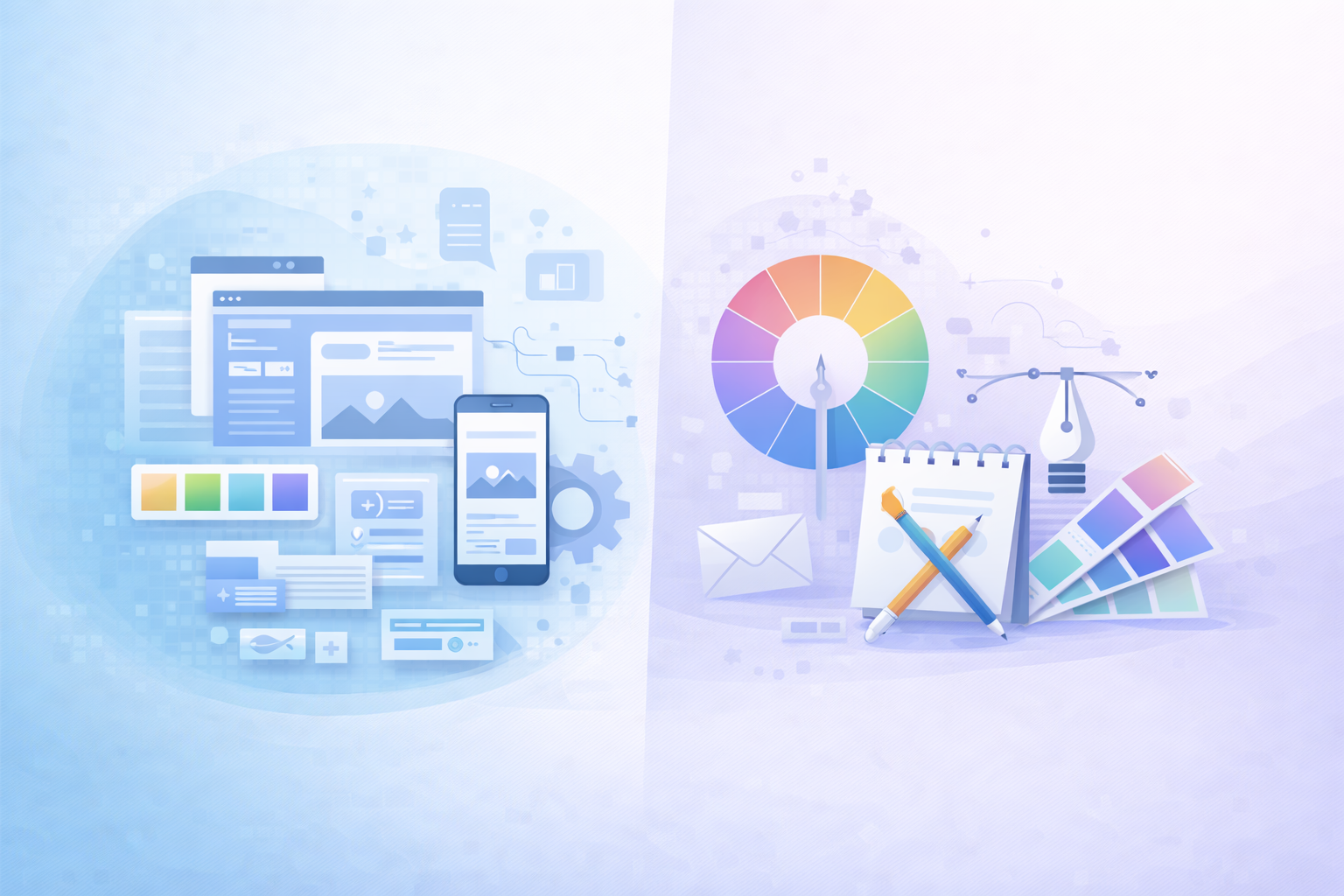

User interface (UI) design and graphic design are distinct disciplines within the broader field of visual communication, though they often overlap. Understanding their differences and collaboration points is vital for creating effective digital products and strong brands.
While both UI and graphic designers work with visuals, their primary objectives and areas of focus differ significantly. Think of it like this: if you’re building a house, a graphic designer is the architect who draws up the beautiful plans for the exterior and interior aesthetics. A UI designer, however, acts as both the structural engineer and the interior designer, ensuring that the house is not only aesthetically pleasing but also functional, safe, and easy to navigate.
Defining UI Design
User interface (UI) design focuses on the interactive elements of a digital product. This includes everything a user sees and interacts with: buttons, icons, menus, text fields, and their layout. The core goal of a UI designer is to create interfaces that are intuitive, efficient, and enjoyable to use. They consider how a user will move through an application or website, ensuring each step is clear and logical. This involves attention to visual hierarchy, readability, responsiveness across different devices, and consistency in design patterns. A successful UI anticipates user needs and minimizes cognitive load.
Defining Graphic Design
Graphic design, in contrast, has a broader scope. It focuses on visual communication to convey messages and evoke emotions. Graphic designers work on a wide range of materials, including logos, branding guidelines, marketing collateral, advertisements, brochures, packaging, and infographics. Their primary objective is to communicate a specific message or identity through visual elements like typography, color, imagery, and layout. While aesthetics are important, the effectiveness of the communication is paramount. They aim to create visual solutions that capture attention and resonate with an audience.
In today’s digital landscape, a product’s success often hinges on its user interface. A well-designed UI is not just a cosmetic feature; it is fundamental to user engagement, satisfaction, and ultimately, conversion.
Creating User-Centered Designs
UI designers are champions of the user. Their process often starts with user research, understanding user behaviors, needs, and pain points. They then translate this understanding into design decisions. This user-centered approach guarantees the interface’s natural interaction with digital tools. It involves creating wireframes and prototypes, conducting usability testing, and iterating on designs based on feedback. The goal is to remove friction and make the user’s journey as smooth and effortless as possible. A confusing or difficult-to-use interface can quickly lead to user frustration and abandonment.
Impact on User Engagement and Conversion
A compelling UI directly influences user engagement. When an interface is easy to understand and pleasant to use, users are more likely to spend time with the product, explore its features, and return to it. Conversely, a poor UI can drive users away quickly. Think of an online shopping experience: if the checkout process is convoluted, or important buttons are hard to find, potential customers are likely to abandon their carts. A well-designed UI minimizes these obstacles, streamlining the user journey and guiding them towards desired actions, such as making a purchase, signing up for a service, or engaging with content. This direct correlation to conversion rates highlights the business value of strong UI design.
While their roles are distinct, UI and graphic designers frequently collaborate. Their combined expertise is vital for creating a cohesive and impactful digital product or brand. Imagine a symphony orchestra: the UI designer might be the conductor, ensuring all the instruments (elements) play together harmoniously and in the correct sequence. The graphic designer is the composer, crafting the melody and harmony (visual language) that defines the piece.
Integrating Visual Language and Functionality
A graphic designer might establish the overall brand aesthetic, which includes the color palette, typography, and imagery. The UI designer then integrates this visual language into the interactive elements of a digital product. They guarantee the consistent application of the brand’s visual identity across buttons, forms, and other UI components, all while maintaining usability. For instance, a graphic designer might create a stunning logo and brand guide with specific fonts and colors. The UI designer then takes these elements and applies them practically to a website, making sure the chosen font is legible at various sizes and the brand colors provide sufficient contrast for accessibility.
Ensuring Brand Consistency Across Touchpoints
This collaboration extends beyond the digital product itself. Graphic designers ensure the brand’s visual identity remains consistent across all marketing materials, physical products, and other touchpoints. The UI designer then ensures that the digital manifestation of the brand aligns seamlessly with this broader identity. This holistic approach builds a strong, recognizable brand that resonates with users and customers wherever they encounter it.
The tools and techniques UI and graphic designers employ also illustrate their specialized focus. Both require creativity and an eye for aesthetics, but their application of these skills differs.
UI Designer’s Technical and Interaction Skills
UI designers possess a strong understanding of user psychology, interaction design principles, and information architecture. They are proficient with prototyping tools like Figma, Sketch, or Adobe XD, which allow them to create interactive mockups and test user flows. They often have knowledge of front-end development basics (HTML, CSS) to effectively communicate with developers and understand the technical limitations and possibilities. Their skills include:
- Wireframing and Prototyping: Creating skeletal outlines and interactive models of interfaces.
- Information Architecture: Organizing and structuring content in a clear and logical manner.
- Usability Testing: Evaluating interfaces with real users to identify pain points.
- Responsive Design: Ensuring interfaces adapt to various screen sizes and devices.
- Accessibility Guidelines: Designing for users with diverse abilities.
Graphic Designer’s Artistic and Communication Skills
Graphic designers, on the other hand, master visual communication principles, typography, color theory, and image manipulation. They are experts in tools like Adobe Photoshop, Illustrator, and InDesign, used for creating and refining raster and vector graphics. Their skills include:
- Branding and Identity: Developing logos, brand guides, and visual systems.
- Typography: Selecting and arranging typefaces for readability and aesthetic impact.
- Illustration and Iconography: Creating original visual assets.
- Layout and Composition: Arranging elements effectively to convey a message.
- Print Production: Understanding the technical aspects of preparing designs for print.
The digital age has expanded opportunities for both UI and graphic designers, with distinct career trajectories emerging for each specialization. Professionals in both fields are in high demand across various industries.
Evolving Roles in the Digital Age
The lines between UI and graphic design have blurred in some areas, leading to hybrid roles like “product designer” or “UX/UI designer,” which encompass aspects of both. However, dedicated UI and graphic design roles remain prevalent. UI designers usually work for tech companies, software agencies, and product development teams. They focus on web apps, mobile apps, and other digital interfaces. Graphic designers continue to be essential in marketing agencies, branding firms, publishing houses, and in-house design departments across all sectors. The increasing complexity of digital products and the need for strong brand identities ensure sustained demand for both disciplines.
Opportunities for Growth and Specialization
For UI designers, specialization can involve focusing on specific platforms (e.g., mobile UI, gaming UI), accessibility design, or advanced interaction design. They might progress to roles like UI Lead, Principal UI Designer, or even Head of Product Design. Graphic designers can specialize in areas like branding, motion graphics, editorial design, packaging design, or environmental graphic design. Their career progression can lead to being an art director, a creative director, or running their design studio. Both fields offer continuous learning and adaptation to new technologies and design trends.
FAQs
graphic design? 1. What is the difference between UI and graphic design?
UI (User Interface) design focuses on the interactive aspects of a digital product, ensuring a seamless and intuitive user experience. Graphic design, on the other hand, primarily deals with visual communication and branding, including the creation of logos, marketing materials, and other static visual elements.
2. What are the unique responsibilities of a UI designer?
A UI designer is responsible for creating user-centered designs that prioritize functionality and usability. They work on designing the layout, navigation, and interactive elements of digital products to enhance the overall user experience.
graphic designer? 3. What are the unique responsibilities of a graphic designer?
A graphic designer is responsible for creating visual concepts to communicate ideas that inspire, inform, or captivate consumers. They develop the overall layout and production design for various applications such as advertisements, brochures, magazines, and corporate reports.
graphic designers 4. How do UI and graphic designers collaborate for a seamless user experience?
Graphic designers and UI designers collaborate by combining their expertise in user-centered design and visual communication to ensure that digital products not only look visually appealing but also function intuitively. This collaboration helps in creating a seamless and engaging user experience.
5. What is the impact of UI and graphic design on user engagement and conversion rates?
Effective UI and graphic design can significantly impact user engagement and conversion rates. A well-designed user interface and visually appealing graphics can enhance user satisfaction, increase user engagement, and ultimately lead to higher conversion rates for digital products.

Sal Sabeel is a career-focused content writer dedicated to helping students and professionals understand specialised career options. Through simple and well-researched guides, she aims to make career planning easier and more confident for readers